WHERE NOVELISTS SPEAK WITH CRITICS
ABOUT HOW NOVELS ARE MADE — AND WHAT TO MAKE OF THEM
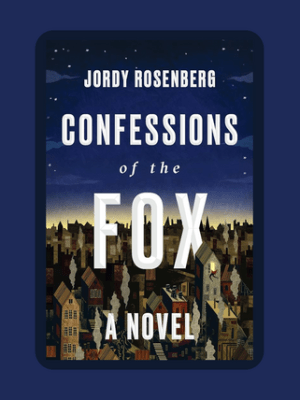
8.6 “I love a dialectical reader, and best is a dialectical reader who cries”: Jordy Rosenberg and Annie McClanahan (RB)
Eighteenth century prison break artist and folk hero Jack Sheppard is among history’s most frequently adapted rogues: his exploits have inspired Daniel Defoe, John Gay, Bertolt Brecht, and most recently, Jordy Rosenberg, whose first novel,…
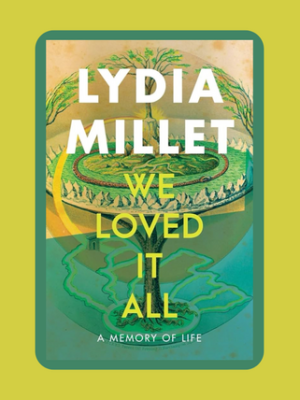
8.5 And Soon: Lydia Millet and Emily Hyde (JP)
During a desert thunderstorm outside Tucson, Lydia Millet joined the Novel Dialogue conversation with hosts John Plotz and Emily Hyde, with Emily playing the role of critic. Lydia—author of more than a dozen novels and story collections…

8.4 All of Our Stories Were War Stories: Jamil Jan Kochai and Kalyan Nadiminti (AV)
Imagine growing up between Sacramento, California and Logar, Afghanistan; you hear stories about war, watch coverage of the United States’ War on Terror on television, and then visit your family in the very places that…
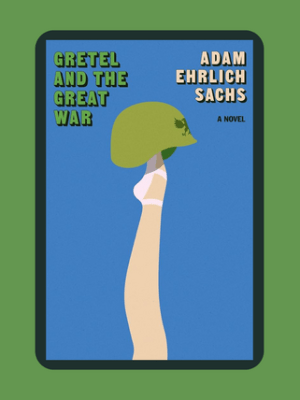
8.3 Aspire to Magic but End Up With Madness: Adam Ehrlich Sachs speaks with Sunny Yudkoff (JP)
What happens when a novelist wants “nonsense and joy” but his characters are destined for a Central European sanatorium? How does the abecedarian form (i.e. organized not chronologically or sequentially but alphabetically) insist on order,…

8.2 To gallop again and again into failure: Kaveh Akbar and Pardis Dabashi (SW)
An unforgettable horse gallops through the pages of Kaveh Akbar’s best-selling novel Martyr! (2024), but it is a figurative hastening toward failure and the limitations of language that Akbar discusses with critic Pardis Dabashi. In…

8.1 Dirt Bag Novels: Lydia Kiesling in Conversation with Megan Ward (CH)
What does it mean for a novel to think globally? And can a global novel concerned with the macro movements of capital and labor still exist in the form of a bildungsroman? This conversation between…
FOLLOW US
NEVER MISS AN EPISODE


 Novel Dialogue