Hosts and Organizers:
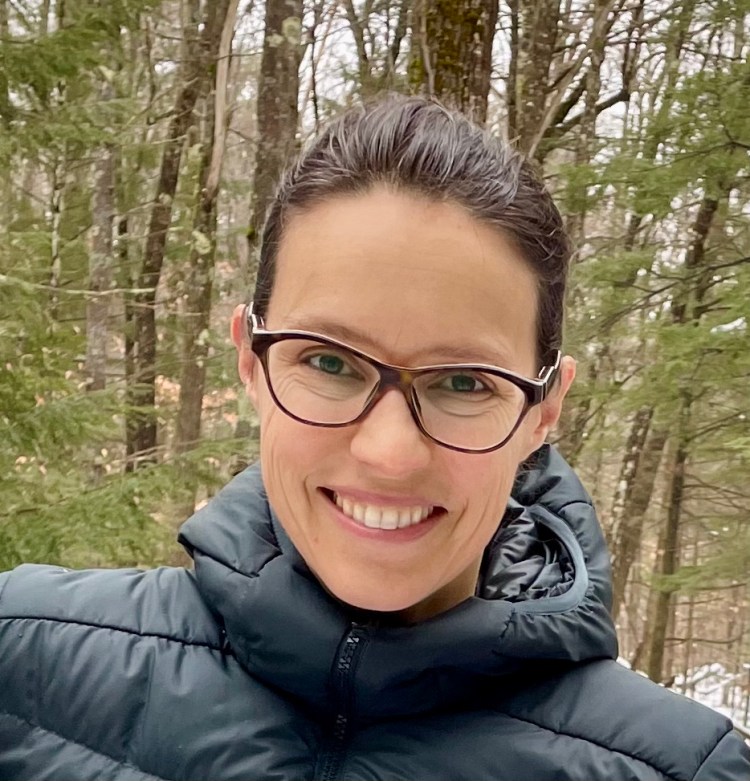
Emily Hyde is associate professor of English at Rowan University where she is completing A Way of Seeing: Postcolonial Modernism and the Visual Book. Her articles and reviews on comparative modernisms, postcolonial literature and theory, and contemporary literature and photography appear in Modernism/modernity, Post45: Peer Reviewed, Literature Compass, PMLA, and a number of edited volumes. Her public writing and reviews have appeared in Post45: Contemporaries, Public Books, and B-Side Books: Essays on Forgotten Favorites.
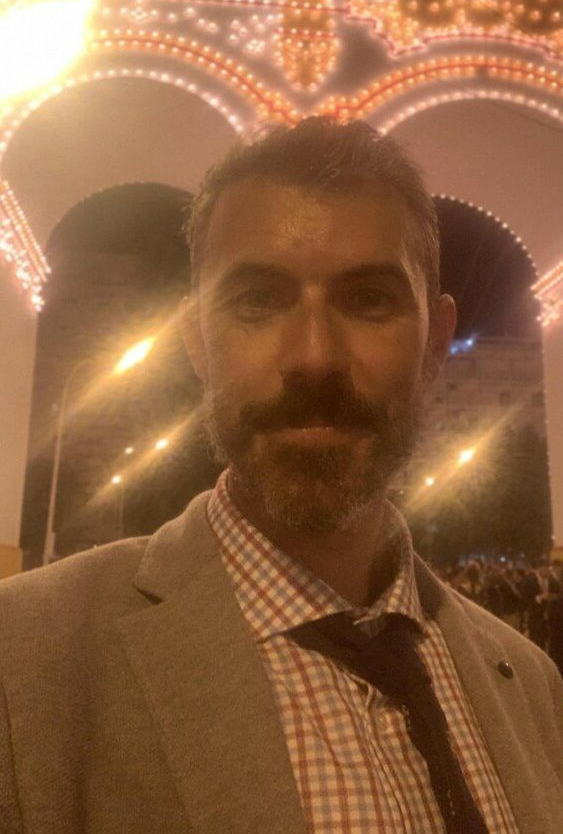
Chris Holmes is professor of Literatures in English at Ithaca College. He is the creator and host of the literary podcast Burned by Books. His book, Kazuo Ishiguro Against World Literature is published with Bloomsbury. And he is co-editor (with Jerrine Tan) of the Routledge Companion to Kazuo Ishiguro. His work has been published with Novel: A Forum on Fiction, Modern Fiction Studies, Critique, Contemporary Literature, Literature Compass, Diaspora, and Oxford’s Research Encyclopedia. He is co-editor with Kelly Mee Rich of the special issue: “Ishiguro After the Nobel” in Modern Fiction Studies, and with Thom Dancer, “The Novel at its Limits,” in Critique.
Hosts and Founders:
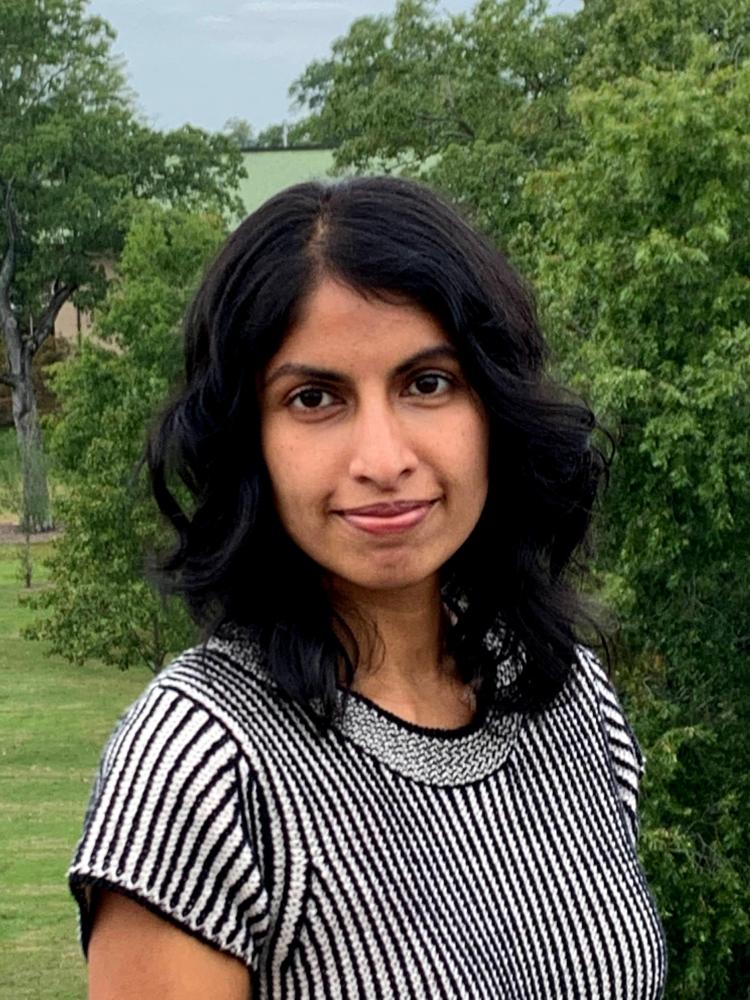
Aarthi Vadde is the E. Blake Byrne Associate Professor of English at Duke University. She is the author of two books. We the Platform: How the Internet Changed Twenty-First-Century Literature will be published by Columbia University Press in 2026. Her first book Chimeras of Form: Modernist Internationalism beyond Europe (Columbia UP, 2016) won the American Comparative Literature Association’s 2018 Harry Levin Prize. She is also the co-editor of several volumes including The Norton Anthology of English Literature (11th edition). She currently serves as the President of the Society for Novel Studies (2025-27).
John Plotz (plotz@brandeis.edu) is Mandel Professor of Humanities at Brandeis University and editor of the B-Sides feature in Public Books. He co-hosts the podcasts Recall This Book and co-founded the Brandeis Educational Justice Initiative. His books include The Crowd (California, 2000), Portable Property (Princeton, 2008), Semi-Detached (Princeton, 2017) and Ursula Le Guin’s Earthsea: My Reading (Oxford, 2023). He edits the B-Sides series at Public Books and is currently at work on a study of satirical science fiction, “Laughter is from Mars.”
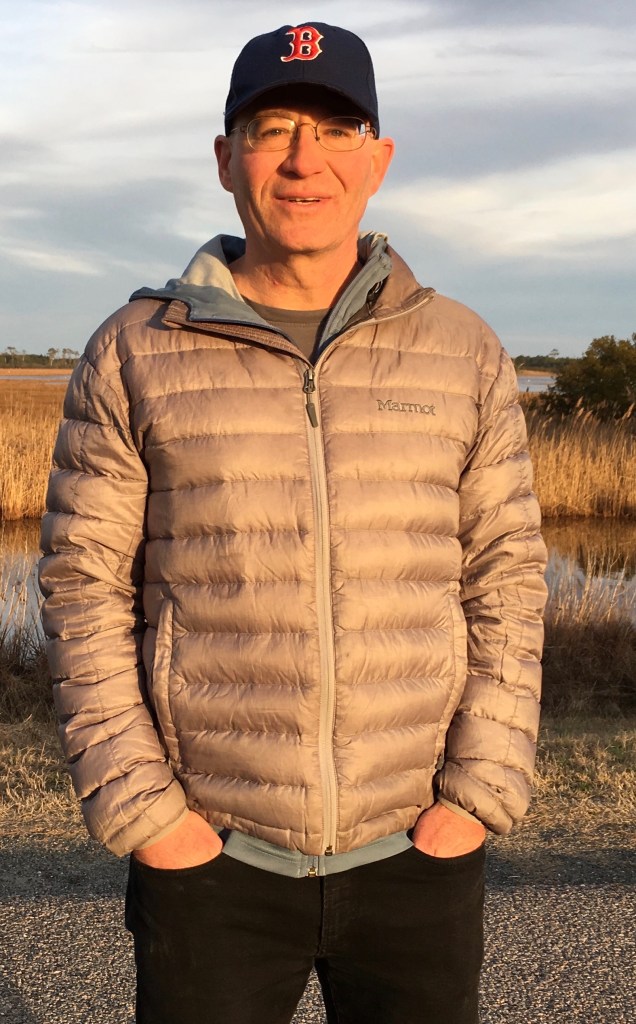
Hosts:
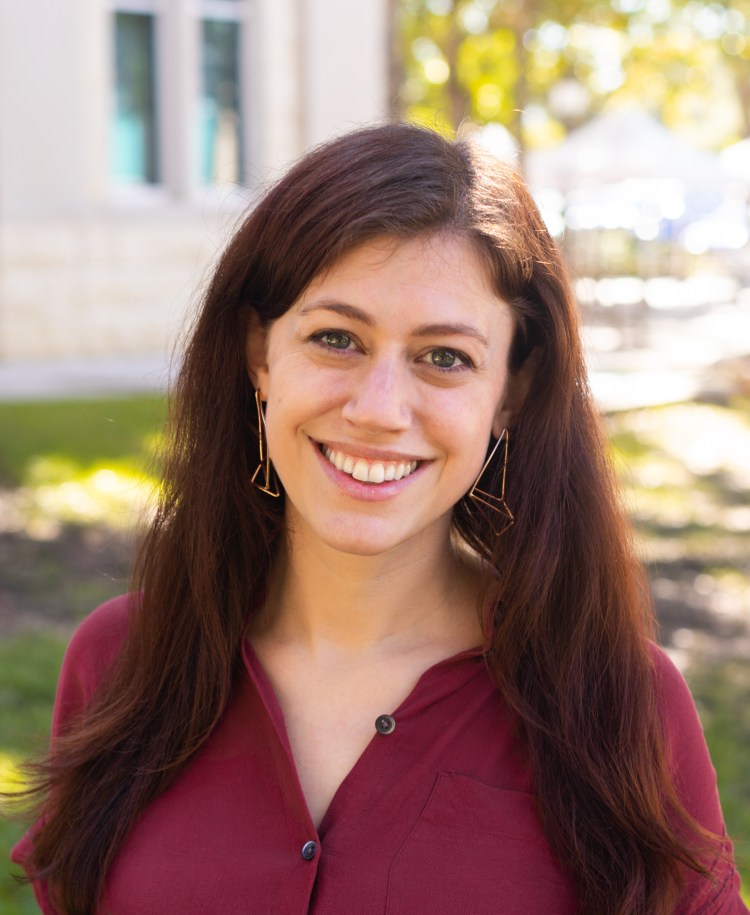
Rebecca Ballard is assistant professor of English at Florida State University, where she researches and teaches U.S. literature and culture, speculative fiction, and environmental humanities. She is completing a book, tentatively titled Genre Frictions, which investigates how structural and environmental understandings of violence that began to emerge in the 1960s shaped both U.S. fiction and U.S. social movements from the 1970s to the present and shows how environmental justice has been articulated through the speculative. Her essays (also under Rebecca Evans) have appeared in American Quarterly, ISLE, American Literature, ASAP/J, Science Fiction Studies, Resilience, The New Routledge Companion to Science Fiction, the Oxford Research Encyclopedia of Literature, The Cambridge History of Science Fiction, and elsewhere.
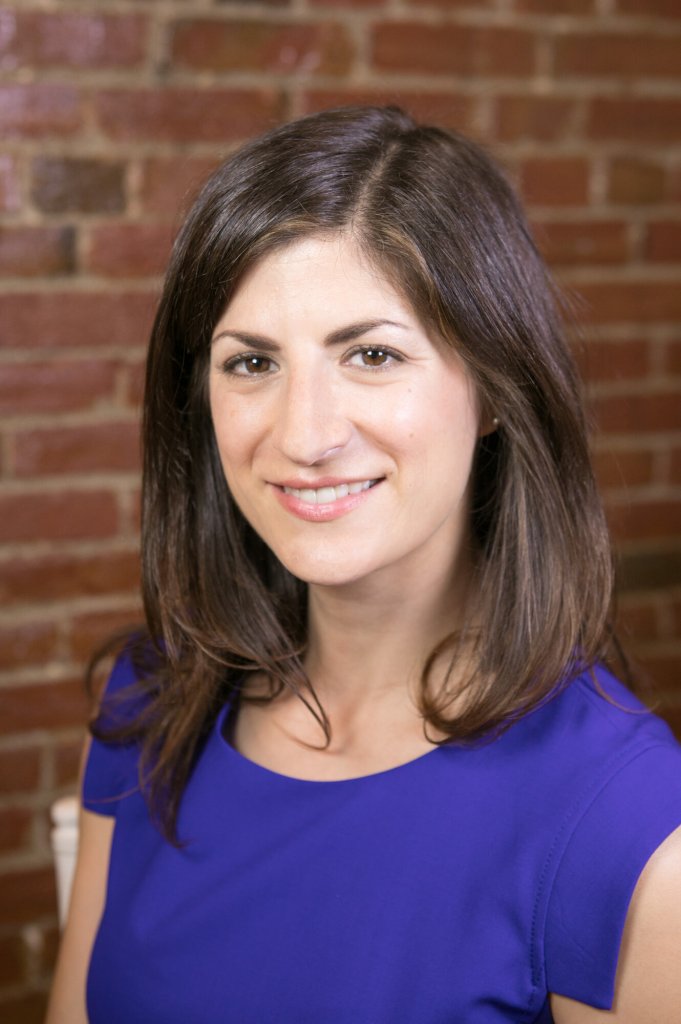
Sarah Wasserman is assistant dean for faculty affairs in Arts & Sciences at Dartmouth College. She is the author of The Death of Things: Ephemera and the American Novel (University of Minnesota Press, 2020) and co-editor of Modelwork: The Material Culture of Making and Knowing (University of Minnesota Press, 2021) as well as Cultures of Obsolescence (Palgrave Macmillan, 2015). Her essays appear in PMLA, American Literary History, Post45, ASAP, Contemporary Literature, Lit Compass, and various edited volumes. Her public writing has been published in Public Books, LARB, and Flaunt Magazine.
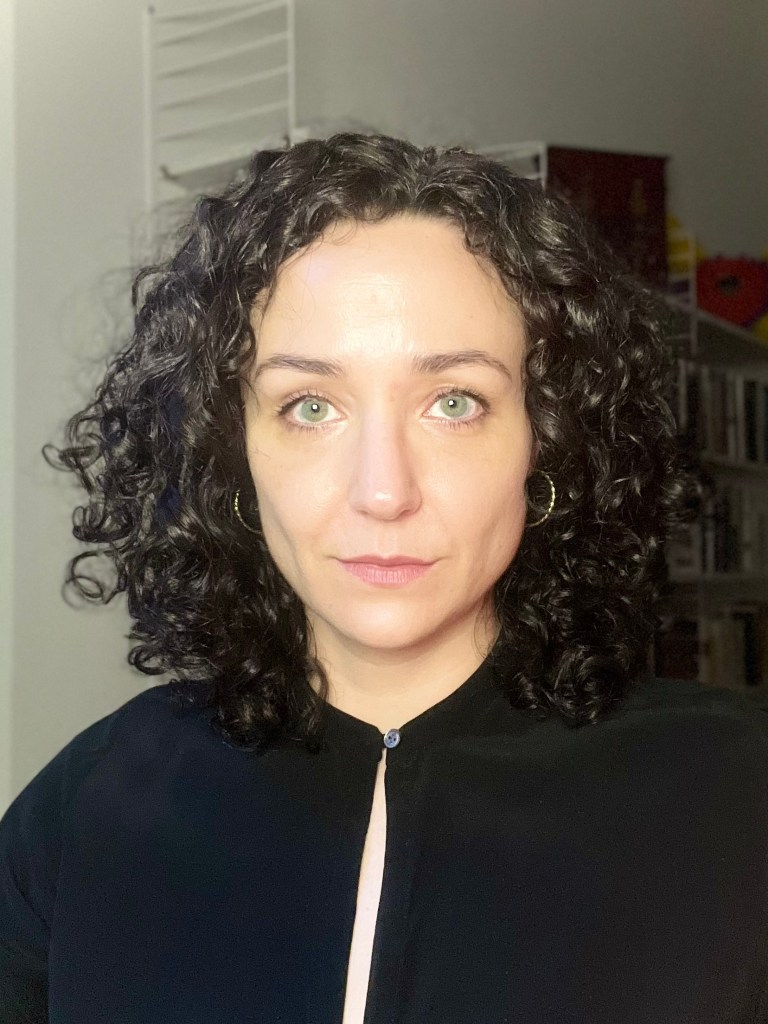
Magalí Armillas-Tiseyra is associate professor in the Department of Comparative Literature at the Pennsylvania State University. A scholar of post-independence Latin American and African literatures, she is the author of The Dictator Novel: Writers and Politics in the Global South (Northwestern UP, 2019) as well as several articles, chapters, and essays. She is currently at work on a book-length project about the legacies of the Latin American literary “boom” of the 1960s and 1970s, and is co-director of the digital platform Global South Studies.
 Novel Dialogue